Our hair is more than an accessory to your looks—it’s an indicator of the overall health of you. While genetic tendencies and lifestyle habits are major factors when it comes to hair growth and health, environmental influences also have a big impact. From air pollution and weather to the quality of the water and the stress of day-to-day life, all of these things have effects on your hair that you may not even be aware of.
In this article , we’ll break down the various environmental factors that affect hair health, how they contribute to common problems like hair fall, dryness, dandruff, and premature graying, and, most importantly, effective ways to shield your hair from these external threats. Stay tuned to learn how to maintain healthy, strong, and beautiful hair despite environmental challenges.
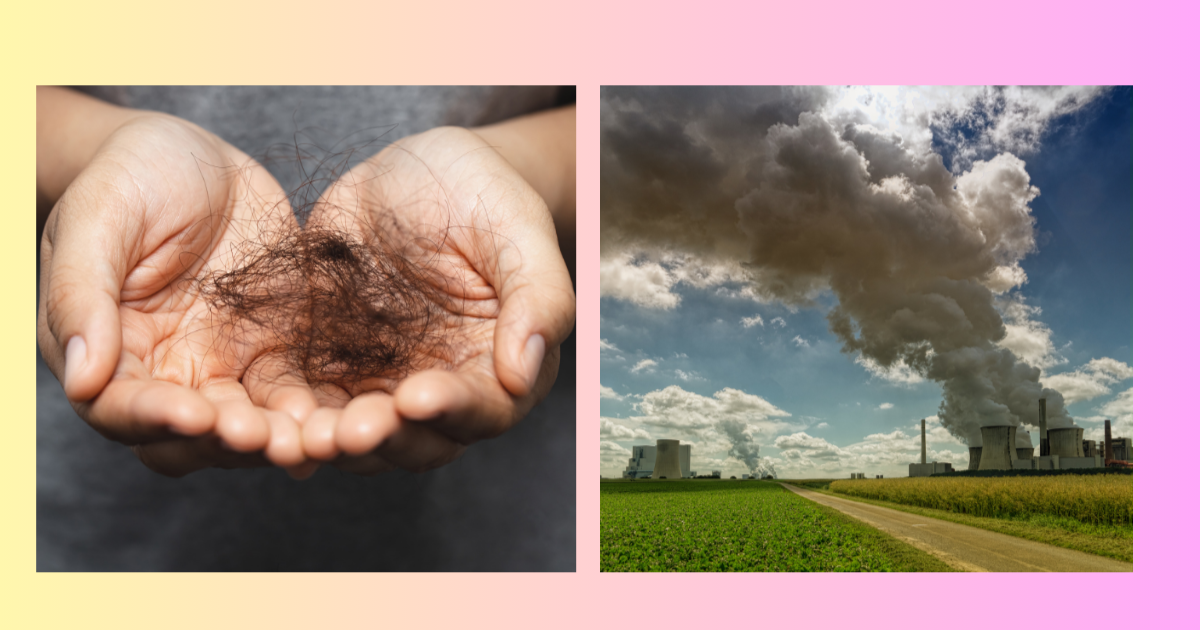
How Air Pollution Harms Your Hair & How to Protect It
Air pollution is among the most dangerous environmental conditions that negatively impact hair health. Small particles such as dust, smoke, heavy metals, and toxins stick to the scalp and hair fibers, causing plugged follicles, scalp irritation, and excessive hair loss. Fine particulate matter (PM2.5 and PM10) can penetrate into the cuticle of your hair, softening the strands and making them susceptible to breakage, dullness, and early aging. Pollution can also deplete your hair of its natural oils, leading to dryness and irritation.
The Hidden Impact of Air Pollution on our Hair & How to Shield It
Air pollution is one of the most damaging environmental factors affecting hair health today. Constant exposure to dust, smoke, vehicle emissions, and industrial pollutants silently takes a toll on your scalp and strands. Tiny airborne particles like PM2.5 and PM10 seep deep into the hair cuticle, weakening the structure, making hair brittle, dull, and prone to breakage. The scalp, already stressed by pollutants, loses its natural oils, leading to dryness, irritation, dandruff, and premature aging of hair. Over time, clogged follicles prevent essential nutrients from reaching the roots, resulting in hair thinning, excessive shedding, and even premature graying. Given the rising pollution levels in cities and towns, adopting a strong protective hair care routine is no longer an option—it’s a necessity. Taking small yet effective steps can help safeguard your hair from environmental damage, keeping it strong, nourished, and resilient.
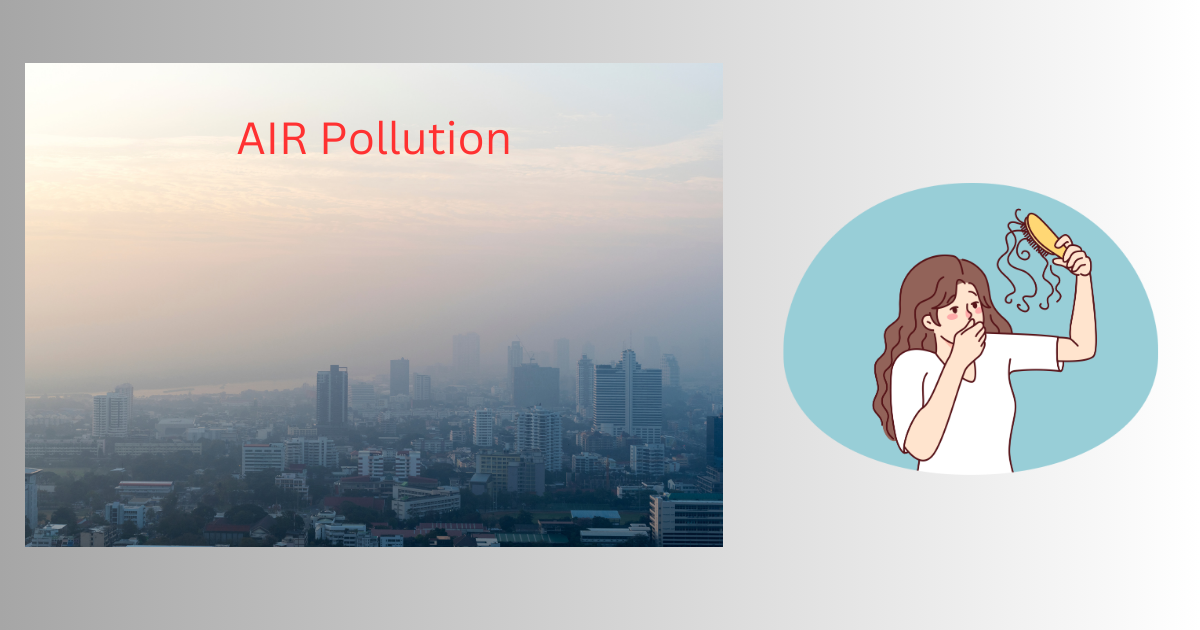
How to Guard our Hair from Air Pollution
Protect Your Hair Outside
Having a hoodie over your hair will keep it from touching pollutants. Option for lightweight breathable materials like cotton or silk so that friction and damage do not occur on your hair. In case you live in a highly polluted area, apply an anti-pollution hair spray for added protection.
Moisturize our Scalp with Essential Oils
To combat dryness and irritation of the scalp caused by pollutants, massage your scalp daily with coconut oil, jojoba oil, or almond oil. These oils provide intense nourishment, check moisture loss, and provide a natural defense barrier against toxins.
To effectively cleanse your scalp from pollution buildup and strengthen hair strands, consider using a Biotin-Enriched Shampoo that nourishes the roots and supports healthier hair growth.
Avoid repeated Heat Styling and Chemical Treatments
Since pollution already weakens hair, excessive use of heat styling tools (straightening, curling, blow-drying) further weakens it. Reduce heat styling or pre-spray with a heat protectant spray prior to heat. Also, avoid excessive chemical processing like excessive hair dyeing, bleaching, or perming because these put additional stress on pollution-weakened hair. Always choose the right shampoo tailored to your hair type for healthy, strong, and nourished hair.
Eat a Nutrient-Rich Diet
Your diet is also crucial in combating pollution’s effects on your hair. Consume foods rich in Omega-3 fatty acids, biotin, Vitamin C, and antioxidants such as nuts, seeds, spinach, and berries. Also, drinking sufficient water is crucial, as water flushes out toxins from your body and maintains your hair and scalp hydrated.
Get Silk or Satin Pillowcases
Making the switch to silk or satin pillowcases diminishes friction and avoids pollutant accumulation from carrying over to your hair when sleeping. This easy switch can promote hair smoothness and reduce breakage.
By following these preventive steps, you can reduce the adverse effects of air pollution on your tresses to maintain your hair strong, healthy, and bright even under polluted conditions. Regular protection of your hair from today’s pollutants translates to healthier-looking hair in the long run.
Indications of Hard Water Damage on Hair
Dry, rough texture – Hair feels dry and rough with stiff texture due to mineral deposition.
Excessive hair loss – Mineral buildup in clogging follicles and damaging hair shafts leads to more shedding.
Dryness and lack of shine – Hard water prevents hair from retaining moisture, causing it to appear dead.
Scalp irritation and dandruff – Mineral deposit disrupts the natural scalp chemistry, causing itchiness and flakiness.
Colour loss – If your hair is dyed, the hard water is able to take the colouring out, thus making the color lose its sheen sooner.
UV Rays and Hair Damage: How Sun Exposure Affects Your Hair & Ways to Protect It
Similar to your skin, your hair is also extremely vulnerable to the damage caused by excessive sun exposure. The UV radiation from the sun can destroy the structural support of hair and lead to water loss, breakdown of proteins, and color weakening. Gradually, excessive exposure to the sun can cause brittleness, frizz, split ends, dryness, and even irritation of the scalp.
Sun’s UVA and UVB radiations seep into the hair’s outermost layer (cuticle), deteriorating keratin proteins and melanin, both of which play a vital role in ensuring the strength and pigmentation of the hair. This may lead to color fade in the hair (particularly in colored hair), unsmooth texture, and hair loss. The UV radiation may also initiate oxidative stress, resulting in early aging of the hair as well as baldness.
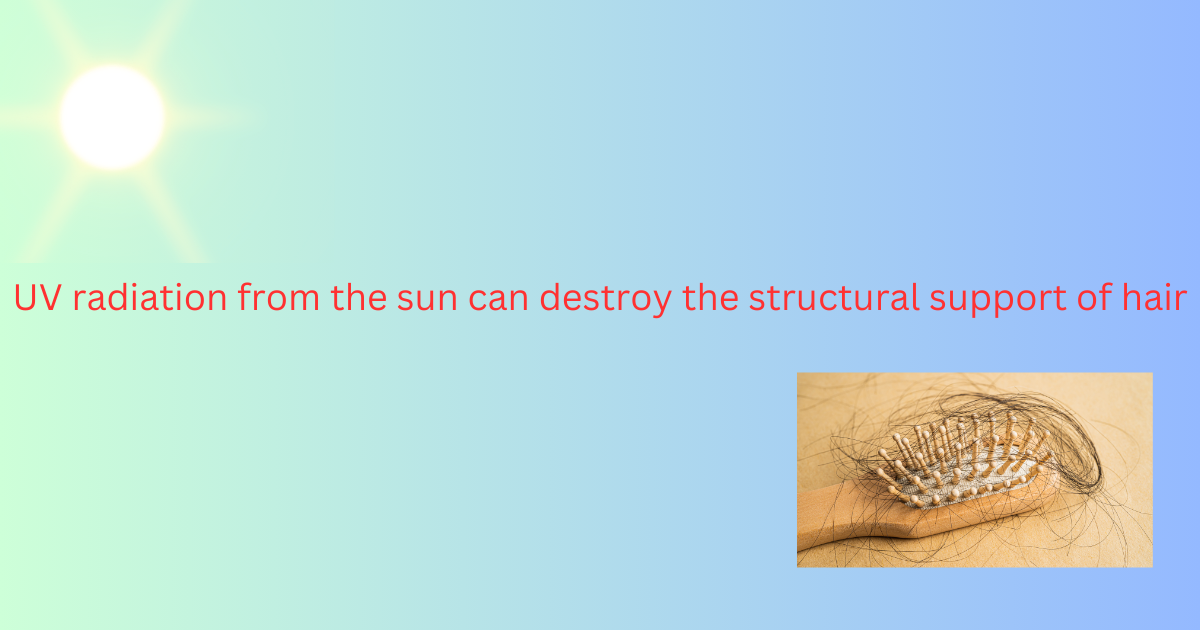
Indications of Sun-Damaged Hair
Dry, brittle texture – Natural oils are robbed by the sun, leaving hair rough and parched.
More frizz and tangling – Moisture is stripped away by UV rays, leading hair to become frizzy and knot-prone.
Fading or discoloration of color – Exposure to the sun causes the loss of pigments, leaving hair dull or brassy.
Split ends and breakage – Cuticles are damaged, creating fragile, break-easily strands.
Dandruff, flaky scalp – Sun can cause scalp to become dehydrated and result in flakiness and irritation.
Impact of Stress and Urban Lifestyle on Hair Health
The fast-paced modern lifestyle, constant exposure to digital screens, irregular sleep patterns, and work pressure significantly contribute to hair problems. Chronic stress triggers the overproduction of cortisol, a hormone that disrupts hair growth cycles and leads to excessive shedding. Additionally, lack of sleep and an erratic daily routine weaken hair follicles, making hair more vulnerable to thinning and premature graying. If you’re experiencing excessive hair shedding due to stress or environmental damage, Minoxidil Topical Solution can help by stimulating hair follicles and promoting regrowth.

Monsoon-Related Hair Concerns and Protection Tips
The rainy season brings increased humidity, leading to excessive hair fall, fungal infections, and scalp issues like dandruff and itchiness. Rainwater, often mixed with pollutants, can make hair frizzy and brittle. with the right care, you can keep it strong, shiny, and healthy. Using a biotin shampoo, keeping your scalp dry, and following a simple hair care routine can help you fight hair fall and maintain beautiful locks all season long
Winter Hair Issues and Protection Strategies
Low humidity levels and cold temperatures of winter cause the hair to lose moisture, resulting in dryness, brittleness, and breakage. The scalp becomes dehydrated and becomes flaky and itchy, resulting in dandruff and irritation. Continued use of heaters adds to the dryness and causes hair to become frizzy and unmanageable. To fight winter hair problems, change to a moisturizing shampoo and deep conditioning treatments to seal in moisture. Daily oil massages with warm coconut or almond oil can condition the scalp and keep it from drying out. Avoid hot water showers, which strip natural oils—use lukewarm water instead.
How to Shield Your Hair from Seasonal Changes:
Modify your hair care regimen based on the season (light products during summer and rich moisturizing treatments during winter).
Steer clear of over-heat styling, as it aggravates weather damage.
Maintain your scalp’s moisture levels by applying moisturizing oils such as jojoba or olive oil.
CONCLUSION:
Your surroundings have a big impact on the condition of your hair. From pollution in the air and quality of water to stress and sun exposure, a number of environmental factors are responsible for frequent hair issues. But if you adopt preventive measures and make correct lifestyle choices, you can save your hair from damage caused by the surroundings and keep it strong, radiant, and healthy.
By taking a holistic approach, such as good hair care, a balanced diet, and stress management, you can keep your hair in the best possible condition regardless of the environmental conditions you are exposed to.
Stay informed about environmental conditions in your region and adjust your hair care routine accordingly. Minor adjustments in your daily routine can result in long-term advantages for your hair health.