In today’s fast-paced life, sugar has become an unavoidable part of our diets. From sweet desserts and sugary drinks to even seemingly harmless snacks, sugar is everywhere. But beyond the worry about weight gain or diabetes, many people wonder — can eating too much sugar cause hair fall? For those experiencing thinning hair or hair fall, this question is more than just curiosity; it’s a concern that hits close to home.
In this blog, we’ll explore the link between sugar consumption and hair health, uncover scientific facts, and share practical tips to maintain healthy, strong hair without giving up the joy of sweet treats completely. Let’s dive into the sweet truth!
The Basics: What Causes Hair Fall?
Before we focus on sugar, it’s important to understand why hair fall happens in the first place.
- Genetics (male or female pattern baldness)
- Hormonal changes (pregnancy, menopause, thyroid issues)
- Nutritional deficiencies (lack of iron, vitamin D, protein)
- Stress and lifestyle (mental stress, poor sleep)
- Medical conditions (scalp infections, autoimmune diseases)
- Environmental factors (pollution, harsh hair treatments)
Among these, diet plays a key role. Healthy hair depends on adequate nutrition and a balanced lifestyle.
How Does Sugar Impact the Body?
Sugar, particularly refined sugar and added sugars, when consumed excessively, can disrupt the body’s natural balance. The main impacts include:
- Frequent sugar intake can cause sharp rises in blood glucose levels. To manage this, the pancreas releases insulin. However, when this happens repeatedly, the body may start responding poorly to insulin — a condition known as insulin resistance, which often comes before type 2 diabetes.
2. Hormonal Imbalance: Insulin resistance can increase androgen levels (male hormones) in both men and women, which is linked to certain types of hair loss.
3. Oxidative Stress: Excess sugar leads to the formation of free radicals that cause oxidative stress, damaging cells including hair follicles.
The Sugar-Hair Fall Connection: What Science Says
1. Sugar and Hormonal Hair Loss
A major hormone-related cause of hair fall is Androgenetic Alopecia, often referred to as pattern baldness. Studies suggest that elevated insulin levels — a result of frequent sugar intake — can trigger an increase in androgens like dihydrotestosterone (DHT). This hormone is known to shrink hair follicles and shorten the natural hair growth cycle.
For individuals who are genetically prone to pattern hair loss, especially many Indian men and women, consuming too much sugar may intensify the condition by boosting androgen levels in the body.
2. Sugar, Inflammation, and Scalp Health
The scalp, like any other skin, can be affected by inflammation caused by high sugar consumption. Chronic inflammation can:
- Reduce blood flow to hair follicles
- Disrupt the normal hair growth cycle
- Lead to scalp conditions such as dandruff and seborrheic dermatitis, which indirectly contribute to hair fall
A study published in the Journal of Dermatology found that inflammatory markers were elevated in people with hair loss conditions, linking diet and inflammation to scalp health.
3. Glycation and Hair Damage
Excess sugar in the body can lead to a process known as glycation, where sugar molecules bind to essential proteins like collagen and keratin. This reaction results in the formation of damaging compounds known as advanced glycation end products (AGEs)
Since collagen and keratin are crucial for strong, flexible hair and a healthy scalp, the formation of AGEs can disrupt their function. Over time, this weakens hair strands, making them more prone to breakage, and contributes to an unhealthy scalp that struggles to support hair growth.
Cultural and Dietary Context in India
India’s traditional diet is rich in whole grains, lentils, vegetables, and fruits. However, urbanization and lifestyle changes have led to increased consumption of sugary foods:
- Sweets like jalebi, gulab jamun, and laddoos are deeply ingrained in celebrations.
- Sweetened beverages like chai (tea) often contain added sugar.
- Packaged snacks and desserts have become more popular.
While occasional treats are part of life, excessive sugar intake combined with a lack of balanced nutrition can accelerate hair fall risks.
Practical Tips: How to Enjoy Sugar Without Damaging Your Hair
You don’t have to give up sugar completely to protect your hair. Moderation and smart choices are key.
1. Limit Refined Sugars
A well-cared-for scalp lays the foundation for stronger, fuller, and healthier hair growth.
- Soft drinks and packaged fruit juices

- Store-bought sweets and desserts
- Sweetened breakfast cereals and snacks
2. Choose Natural Sweeteners
Opt for natural sweeteners like:
- Jaggery (gur)
- Honey (in moderation)
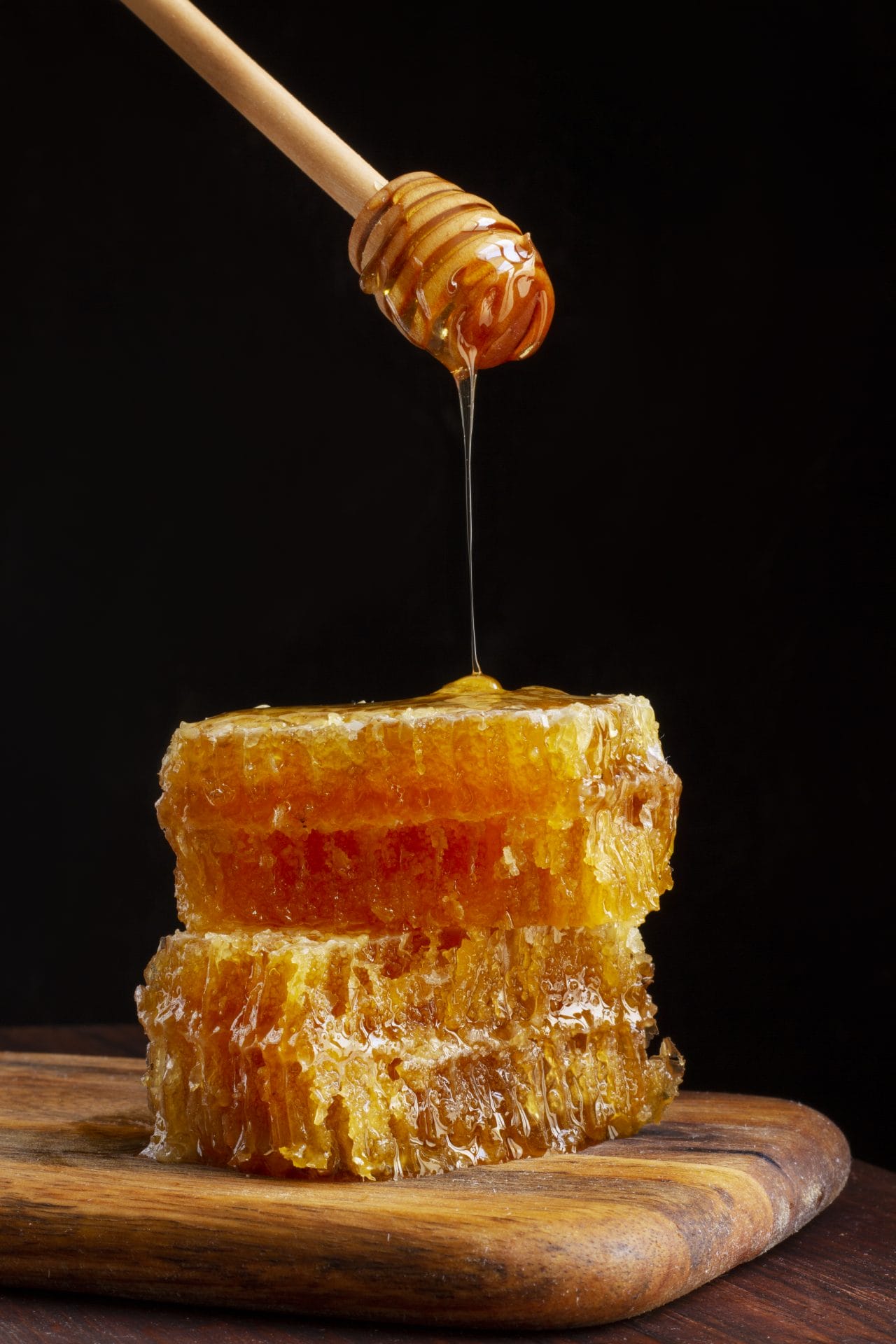
- Dates and dried fruits
These contain micronutrients and antioxidants that help reduce the negative effects of sugar.
3. Balance Your Diet
Eating sugar with a mix of protein, fiber, and healthy fats slows sugar absorption, reducing blood sugar spikes.
Include:
- Fresh vegetables and fruits

- Pulses and legumes
- Nuts and seeds
4. Stay Hydrated and Maintain Scalp Health
Stay well-hydrated and maintain scalp hygiene to support a healthy environment for hair growth. Maintaining a clean and nourished scalp creates the right environment for your hair to grow thicker and healthier.
-
Manage Stress and Sleep Well
Stress and poor sleep can worsen hair fall. Practice relaxation techniques such as yoga and meditation, both traditional Indian wellness practices.

6. Consult a Doctor or Trichologist
If you notice excessive hair fall or thinning, consult a specialist. They may recommend blood tests to check blood sugar levels, hormonal balance, or nutritional deficiencies.
Common Myths About Sugar and Hair Fall
- Myth: Sugar alone causes hair fall.
Sugar contributes to conditions that can worsen hair fall, but it is rarely the sole cause. - Myth: Cutting out sugar will stop hair fall immediately.
Hair growth cycles are slow. Changes in diet improve hair health over months, not days. - Myth: Eating sweet fruits causes hair fall.
Natural sugars in fruits come with fiber, vitamins, and antioxidants, which support hair healt
Conclusion
The connection between sugar and hair fall is real—but moderation is the key. Excessive sugar can cause inflammation, hormone imbalances, and damage vital proteins in your hair. But that doesn’t mean you need to quit your favorite sweets.
Healthy hair thrives when you:
Eat a nutrient-rich, balanced diet
Stay hydrated and practice good scalp care
Manage stress and sleep well
Enjoy sugar in moderation
If you love your desserts, go ahead—but combine them with a lifestyle that nourishes your hair from the inside out.
Related Reads You May Like:
Protect Hair from Hidden Environmental Damages