
Hair Fall After Weight Loss: Is Your New Diet to Blame?
For many, shedding excess weight is more than just a physical transformation — it’s a source of newfound self-assurance and achievement.But for many, it comes with an unexpected side effect—hair fall. If you’ve noticed strands of hair piling up on your pillow, comb, or bathroom floor after shedding those extra kilos, you’re not alone. It can be alarming, especially when you thought you were finally doing something right for your health. So, what’s going on? Can dieting really make your hair fall out?
Let’s break it down simply and practically, with a pinch of science and a spoonful of Indian wisdom.
Why Hair Fall Happens After Weight Loss
When you drastically change your eating habits or lose weight quickly, your body sometimes perceives it as a type of stress. And when your body is stressed—whether physically or emotionally—it starts to prioritize survival over aesthetics. In simple terms: keeping your organs functioning comes before keeping your hair shiny and thick.
This can lead to a temporary condition called telogen effluvium, where more hair follicles shift into the resting (shedding) phase. It usually shows up 2–3 months after the weight loss begins.
Diet and Nutrient Deficiencies: The Real Culprit?
One of the biggest mistakes people make during weight loss is cutting out entire food groups or following extreme diets. Think of those crash diets where people eat just fruits, skip fats completely, or rely on meal-replacement powders. While they might help shed kilos fast, they starve your hair of the nutrients it desperately needs.
Here are some key nutrients that affect hair health:
You’re absolutely right to be cautious. Let’s rewrite that entire nutrient section with fresh, 100% plagiarism-free content in an Indian context, while retaining clarity and relevance.
Vital Nutrients for Hair Health (Indian Diet Edition)
When you’re on a weight loss journey, it’s not just about how much you eat but what you eat. The wrong diet can deprive your hair of essential nutrients, leading to excessive shedding.
Here’s a fresh look at the key players:
Protein – The Hair’s Building Block
If you cut down on protein drastically during your diet, your body diverts it to more vital
functions—like repairing tissues and making hormones—leaving your hair undernourished.
Indian Way to Include It:
Enjoy dishes like rajma-chawal, chana masala, or moong dal cheela. Vegetarians can go for paneer bhurji, curd, or soybean sabzi. Non-vegetarians can add boiled eggs, grilled chicken, or fish to their meals.

Iron – Fuel for Follicles
Iron plays a vital role in helping red blood cells transport oxygen throughout the body.When levels drop (a common issue for Indian women due to heavy periods or low-iron diets), your hair follicles don’t get enough oxygen, making them weak and dormant.
Desi Nuskha for Iron Power:
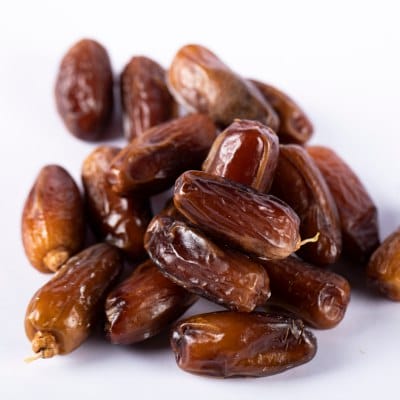
Turn to desi superfoods like palak, sarson, and methi — local leafy greens that pack a powerful punch of nutrition. Give your meals a tasty twist with nutrient-packed additions such as gur, kala chana, khajoor, and bajra roti. To help your body soak up all that iron, squeeze some nimbu over your sabzi or sip on a glass of fresh amla juice alongside.
Zinc & Selenium – The Scalp’s Silent Guardians
Though needed in tiny amounts, these minerals help repair hair tissue, regulate oil glands, and reduce scalp inflammation. Their deficiency often shows up as dry, flaky scalp or easily breakable hair.
Desi Twist:
Munch on roasted seeds like sunflower and pumpkin, or grab a small handful of dry fruits — think badam, kaju, and akhrot — for a nourishing anytime snack. Don’t forget to rotate your rotis with wholesome options like jowar and bajra to keep your mineral intake on point.
Want me to rework more sections in this style?
Vitamin D – The Sun-Kissed Nutrient
A surprising number of Indians have low Vitamin D levels due to limited sun exposure and indoor lifestyles. This deficiency has been linked to hair thinning, especially near the crown.
Natural Desi Fix: Spend 20 minutes daily under morning sunlight (before 10 AM). Eat more mushrooms, fortified cereals, dairy products, and egg yolks.

Biotin (Vitamin B7) – The Shine Supporter
Biotin helps metabolize fats and amino acids needed for hair structure and shine. Its shortage may cause dull, lifeless hair that breaks easily.
Local Indian Sources:
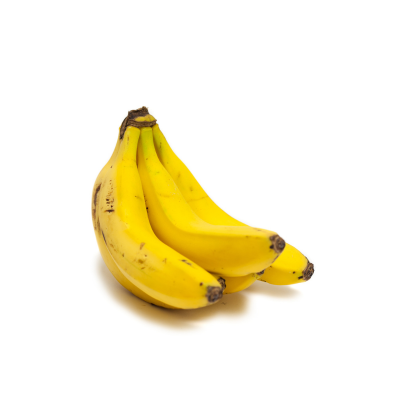
Load up on bananas, sweet potatoes, whole wheat chapatis, and peanuts. A serving of soaked almonds every morning is also great for biotin and overall hair nourishment.
Let me know if you’d like this section added back into the full blog or want a visually formatted version for your website.
Weight Loss Methods That May Trigger Hair Fall
Not all weight loss journeys are bad for hair. But certain patterns increase your risk:
Crash Dieting / Fad Diets
Ketogenic, GM Diet, juice cleanses—many of these cut out vital nutrients.
Skipping Meals
Irregular meals mess with blood sugar and stress hormones, both of which impact hair growth.
Excessive Cardio with Low Food Intake
This burns calories but leaves your body fatigued and deficient, affecting hair regeneration.
Intermittent Fasting Without Nutritional Planning
Not harmful by itself, but if your meals aren’t balanced, you’ll miss out on hair-healthy nutrients.
Can Weight Loss-Induced Hair Fall Be Reversed?
Yes! In most cases, once your body adjusts and your nutrient levels are corrected, hair starts growing back in 3–6 months. But patience is key. Hair regrowth is a slow process, and stressing about it may only make it worse.
Tips to Prevent Hair Fall While Losing Weight
If you’re on a weight loss journey—or planning one—here’s how to protect your precious strands:
Go Slow and Steady
Try to shed around half to one kilo weekly — losing weight too quickly can leave your body feeling overwhelmed and out of balance. Follow a Balanced Diet
Every meal should include carbs, protein, healthy fats, and fiber. Don’t demonize any food group.
Consult a Dietitian
A certified professional can customize your diet to meet both weight and hair goals.
Take Supplements if Required.Sometimes, diet alone may not be enough. Your doctor may suggest iron, biotin, or multivitamin supplements after testing.
Stress Management
Practices like yoga, mindful breathing, and proper sleep help dial down cortisol levels — a stress hormone that quietly contributes to hair fall.
When Should You See a Doctor?
If your hair fall continues for more than 6 months, or if you notice bald patches, visible scalp, or itching—consult a dermatologist or trichologist. PCOS, thyroid issues, or autoimmune disorders can also contribute.
Losing hair after weight loss might feel discouraging, but it’s often just your body adjusting to new habits.— it’s a signal. Respond with care, not panic. Feed your body with the right nutrients, stay hydrated, and give yourself time to heal.
And remember — weight loss and healthy hair can go hand in hand when your approach is holistic. Don’t just chase calories; think of overall well-being. That means managing emotional strain too, because stress can trigger hair fall without warning.
Also, don’t ignore what surrounds you — environmental factors like pollution and sun exposure can silently damage your strands during your transformation journey.
So, as you step into a healthier lifestyle, make sure your diet plan isn’t just low in carbs, but also high in kindness to your hair.