
Hair loss is a widespread concern affecting millions of people, and stress is one of its leading triggers. While occasional stress is normal, prolonged stress can negatively impact your overall health, including your hair. In this discussion, we will explore how stress contributes to hair loss, the types of hair loss associated with stress, and practical ways to manage and prevent it.
Common Stress Factors That May Cause Hair Loss
We are living in the modern world in which wants are increasing day by day, we don’t know our-self that we pressurized by surroundings. On the top needs are same as they were for ever. Stress is an important factor in hair care, and several stress factors may lead to hair loss. The following are some common manners in which stress impacts hair growth:
Emotional Stress: The Unseen Culprit
Ever noticed how hair fall increases when you’re going through a rough patch? Emotional stress from constant worry, anxiety, or overwhelming pressure can throw your body off balance. It disrupts the hair growth cycle by pushing follicles into a resting phase, leading to more hair shedding than usual. In stress, do not start smoking, as it is also a cause of hair fall.

Physical Stress
Healing from an illness, surgery, or unexpected weight loss? Your body may be stressed out without your knowledge. Physical stress can surprise your system and cause a temporary condition known as telogen effluvium—where many hair strands abruptly stop growing and shed all at once. The good news: Once you recover, so does your hair.
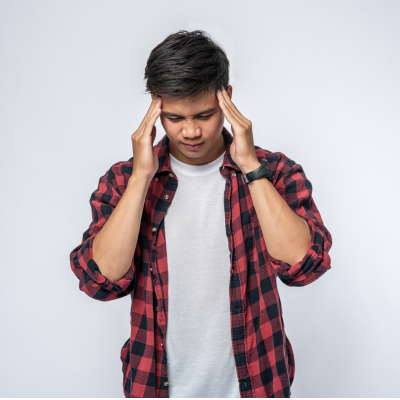
Poor Nutrition
Stress tends to play havoc with eating habits. Either you forget to eat, gorge on junk food, or simply skip eating balanced meals altogether. Yet your hair depends on vital nutrients such as iron, biotin, and protein—skip them, and your hair turns weak, brittle, and starts falling out excessively. Well-nourished follicles require careful nourishment, and deficiencies triggered by stress exacerbate hair loss.

Hormonal Changes
Your body produces cortisol, a stress hormone, whenever you’re under pressure. High cortisol levels can interfere with hair growth by shortening the growth phase of hair follicles. Over time, this can lead to excessive shedding. In some cases, stress-related hormonal imbalances can also accelerate pattern baldness in both men and women.

Poor Sleep Quality
Inadequate sleep isn’t only responsible for making you feel exhausted—it also has an impact on hair growth. Your body restores and rebuilds cells during sleep, and if you don’t get sufficient rest, hair follicles don‘t receive the nutrition they require. Abnormal sleep patterns over a long period can result in excessive hair loss and gradual regrowth.

Stress needs to be managed to keep your hair healthy. Engaging in relaxation therapy, a well-balanced diet, proper sleep, and managing your emotional state can reverse stress-related hair loss. If the thinning continues, visiting a healthcare practitioner may be helpful to learn more about the condition and find more solutions.
Easy Steps to Prevent Stress-Related Hair fall
The good news? Stress-related hair loss is often temporary—and with proper care, you can restore the health of your hair. A few careful adjustments to your daily habits, diet, and self-care routine can help manage excessive shedding and restore strong, healthy hair. Let’s look at some easy yet effective steps to prevent stress-related hair loss.
Discover Your Stress-Buster: Relaxation Techniques
Stress management is the secret to healthy hair. Experiment with incorporating relaxation techniques into your daily routine:
Meditation & Deep Breathing – A few minutes of conscious breathing can soothe the mind and lower stress levels.
Yoga & Stretching – Enhances blood flow and releases pent-up tension.
Regular Physical Exercise – Walking, jogging, or swimming triggers the release of endorphins, your body’s own natural tranquilizers.
Discovering enjoyable activities will really make a lot of difference—your hair care and hair quality will also thank you—not to mention for your mental wellbeing, too!
Eat Well for Hair with Strength
Nutritional deficiencies caused by stress can weaken hair follicles, leading to more shedding. Focus on:
Protein – Hair is made of keratin, a protein that keeps it strong. Include eggs, fish, lean meats, and legumes in your diet.
Iron – Aids in the production of red blood cells to supply hair follicles with adequate oxygen. Rich in spinach, lentils, and red meat.
Biotin & Omega-3 Fatty Acids – Makes hair strands stronger and enhances growth. Nuts, seeds, and fatty fish such as salmon are excellent sources.
Antioxidant-Rich Foods – Helps prevent hair damage due to oxidative stress. Berries, spinach, and carrots must be part of your everyday diet.
A well-balanced diet is the foundation of strong, healthy hair. If you’re curious about Minoxidil for Hair Growth, check out this to learn how it works!
Sleep Your Way to Healthier Hair
Lack of proper sleep raises stress levels, which in turn worsens hair fall. Try these simple habits for better rest:
Limit screen time – Switch off phones, tablets, and TVs at least an hour before bedtime.
Establish a relaxing evening routine – Reading, listening to soothing music, or a relaxing bath can let your body know it’s time to relax.
Sleeping well doesn’t only help to cope with stress, it also provides your hair with an opportunity to repair and grow.
Be Gentle To Your Hair
How you treat your hair goes a long way in avoiding excess breakage and damage. Observe these hair-care routines:
Avoid overusing heat styling tools (blow dryers, straighteners, curling irons).
Avoid harsh chemical processes such as bleaching and constant hair coloring.
Steer clear of tight hairstyles that tug on your hair and put strain on it.
Sleep on a silk pillowcase to minimize friction and avoid hair breakage.
The more gentle you are with your hair, the healthier and stronger it will be.
Stay Hydrated & Get Moving
Hydrating with plenty of water makes your hair moisturized and stops dryness. In addition to hydration, regular exercise increases blood flow, ensuring that your hair follicles are well-nourished.
Even a gentle scalp massage with essential oils such as coconut or rosemary oil may stimulate blood circulation, tighten hair roots, and promote growth.
Balance Work & Life: Don’t Let Stress Take Over
Regular work pressure and daily stress can do worse to your hair. Good time management and creating time for self-care can do miracles. Here’s how:
Take frequent breaks during the day to rejuvenate your mind.
Make clear-cut distinctions between work and personal life.
Dedicate some time to hobbies like reading, painting, or hanging out with loved ones.
Managing stress not only boosts overall well-being but also helps prevent unwanted hair fall. If you’re wondering about other hair loss triggers, read Does Smoking Cause Hair Loss? Unveiling the Connection to find out more!
Conclusion
Stress is one of the major causes of hair loss, but the beauty is that in many cases it can be reversed by proper care when it becomes stressful. The increased stress prompts the body to behave in some manners that disturb the cycle of growth of the hairs, thus excessive shedding results. But it’s possible with little and simple effective measures to preserve your hairs as well as give them growth back.
Stress management is important to healthy hair. Practicing relaxation methods such as meditation, yoga, and exercise reduces tension and enhances overall health. A balanced diet is also necessary. Consuming foods rich in protein, iron, biotin, and omega-3 fatty acids makes hair stronger and less prone to thinning. Adequate hydration and 7-9 hours of sleep every night also help maintain healthy hair.
Healthy hair care is also essential. Don’t use too much heat, rough chemicals, or tight hairstyles that stress the hair. . Also, massages on the scalp with natural oils such as coconut or rosemary oil can stimulate blood circulation and promote hair growth.
It’s also vital to acknowledge work and environmental stress. Taking time off, establishing boundaries, and doing things that are enjoyable can really reduce stress levels. If hair loss persists even with changes in lifestyle, consulting a professional from a doctor or dermatologist can help detect any underlying causes.
By making subtle yet effective adjustments, you can avoid stress-induced hair loss and have healthier, stronger hair. Look after your body and mind, and your hair will be a reflection of it.

Pingback: Hair Loss & Hormones: A 360° Guide to Regaining Your Hair