We often spend time, money, and effort on external hair care—masks, oils, shampoos, and supplements. But one of the most powerful tools for hair growth doesn’t come in a bottle. It comes when you close your eyes.
Sleep plays a silent but essential role in maintaining healthy hair. If your nights are restless or short, your hair might show it before you even feel tired. In this blog, we’ll explore the connection between sleep and hair growth, and how giving your body enough rest can lead to stronger, fuller, and healthier hair.
The Link Between Sleep and Hair Growth
Hair grows in a cycle—growth (anagen), transition (catagen), and rest (telogen). For hair to stay in its growth phase longer and grow thicker and healthier, your body needs to function smoothly. One key element in this process is sleep.
During deep sleep, your body carries out crucial functions like cell repair, hormone production, and nutrient absorption—all of which impact your hair follicles. Without proper rest, these processes get disrupted, often leading to increased hair fall, slower growth, or dull, weak hair.
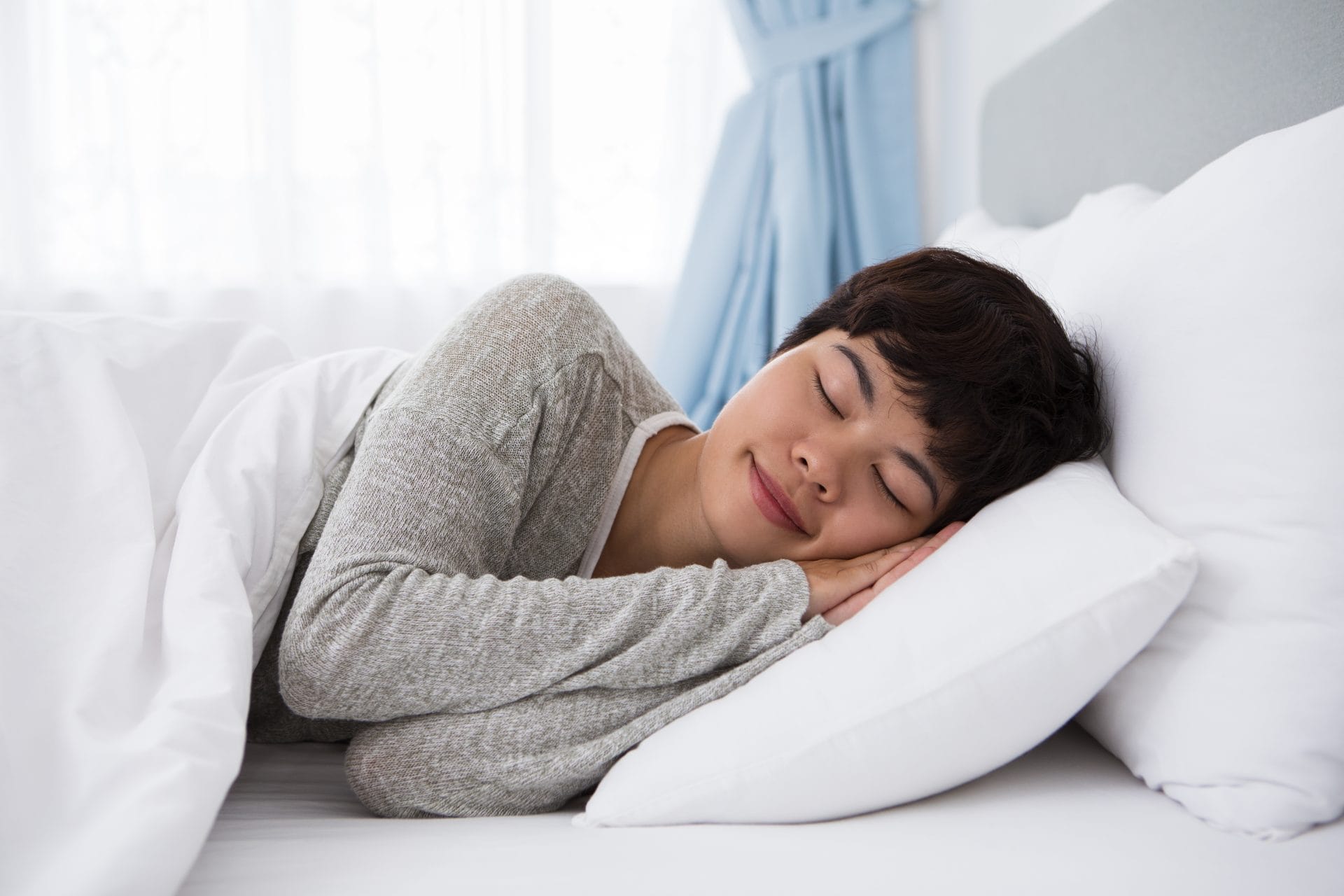
1. Hormones and Sleep: How They Influence Hair
When you sleep well, your body produces growth hormone—a key player in cell regeneration, including the regeneration of hair follicles. A good night’s rest also helps regulate melatonin, which not only manages your sleep-wake cycle but also acts as a powerful antioxidant that protects hair cells.
On the flip side, sleep deprivation raises levels of cortisol, commonly known as the stress hormone.. If you’re wondering how emotional stress impacts your strands, you can explore our blog on Does Stress Make Hair Fall?

2. Sleep Helps Improve Blood Circulation to the Scalp
While you’re sleeping, your blood pressure and heart rate stabilize, allowing for better circulation. This improved blood flow delivers more oxygen and nutrients to your scalp, keeping hair roots strong and healthy.
3. The Role of Deep Sleep in Cellular Repair
Most of the repair and regeneration in the body happens during deep sleep stages. Hair follicles that have been exposed to daily stress, pollution, or even styling damage rely on this time to heal.
If you’re not sleeping enough, your body may skip the deeper sleep stages, leaving these critical repair jobs incomplete. This often reflects in the form of dry, brittle, or thinning hair.
Signs:
- Sudden increase in hair fall
- Slower hair growth despite using products
- Itchy or flaky scalp
- Dry, dull, and lifeless hair
- Hair thinning around the crown or temples
These signs may indicate that your hair needs internal care—and it could start with better sleep.
How Much Sleep Do You Need?
Most adults need 7 to 9 hours of quality sleep each night. It’s not just the hours that count—it’s how well you sleep during those hours.
Interrupted or shallow sleep may reduce the benefits, even if you’re in bed for 8 hours. Focus on building consistent sleep patterns and achieving deep, uninterrupted rest.
Tips to Improve Sleep for Better Hair Growth
1. Maintain a Regular Sleep Routine
Going to bed and waking up at the same time each day supports your body’s internal clock, helping regulate hormone cycles related to hair growth.
2. Create a Sleep-Friendly Environment
A cool, quiet, and dark room helps trigger melatonin release. Use blackout curtains, reduce noise, and keep electronics away from the bed.
3. Limit Caffeine and Sugar Before Bed
Both can interfere with sleep quality. Opt for calming herbal teas like chamomile or warm water with turmeric at night.
4. Eat Foods That Promote Hair and Sleep
Nutrients like iron, zinc, magnesium, and protein help both sleep quality and hair strength.
5. Incorporate Light Exercise Into Your Day
Engaging in regular physical activity enhances circulation, which helps deliver vital nutrients to the scalp. This increased blood flow nourishes the hair follicles and encourages the growth of stronger, healthier hair. For more details on how exercise can impact your hair health, check out our article on the Role of Exercise in Hair Health.

Can Napping Replace Night Sleep?
Short naps of 15–20 minutes can help reduce stress, but they cannot replace nighttime sleep. Deep, continuous sleep at night is essential for hormonal balance and cell repair.
So, while power naps can be refreshing, they’re best used to complement—not replace—proper sleep.
Final Thoughts: Sleep Is the Foundation of Healthy Hair
If your hair isn’t looking or feeling its best, consider looking beyond your hair care products. A well-rested body is better equipped to grow strong, beautiful strands.
When you sleep deeply and consistently, your body gets the chance to regulate hormones, repair damaged hair follicles, and restore your scalp’s natural balance. These processes are crucial for keeping your strands strong and your hair cycle uninterrupted. Without enough rest, these internal systems go off track—leading to sluggish hair growth, breakage, and premature shedding.
And then there’s Stress—an invisible but potent culprit. Chronic stress raises cortisol levels, affects sleep, and pushes hair follicles into a resting phase. If you’ve been juggling emotional strain or mental fatigue, your hair might reflect that tension.
So, before adding another product to your shopping cart, ask yourself—am I sleeping well, eating right, and managing my environment and emotions? Often, your hair doesn’t need more chemicals; it needs a healthier, calmer you.
In the end, beautiful hair isn’t just grown—it’s nurtured. And some of the best growth starts not in your routine, but in your rest.
Because sometimes, the most effective hair treatment… is simply a good night’s sleep.