Have you recently recovered from an illness, only to notice more strands of hair on your pillow, comb, or bathroom floor? If yes, you’re not alone. Many people across India have experienced a sudden surge in hair fall after recovering from viral infections, fevers, surgeries, or even stressful health events. While this can feel alarming, it’s often a temporary phase. In this blog, we’ll explore why this happens, what’s really going on with your body, and what you can do to restore your crowning glory.
Why Hair Loss Happens After Illness
When the body is fighting an illness—whether it’s a viral infection, high fever, surgery, or even something like dengue or typhoid—its priority becomes survival. The energy is redirected toward healing critical organs and immune function, often at the expense of secondary processes like hair growth. This can lead to a condition known as Telogen Effluvium, which is one of the most common reasons for hair loss post-illness.
It’s a short-term phase where more hair than usual falls out, often after the body goes through stress like illness or surgery. Most of your hair—around 85 to 90 percent—is usually growing, while a smaller portion rests before naturally falling out.. But when the body undergoes a shock like a serious illness, a larger portion of hair prematurely shifts to the resting phase—and then falls out two to three months later.
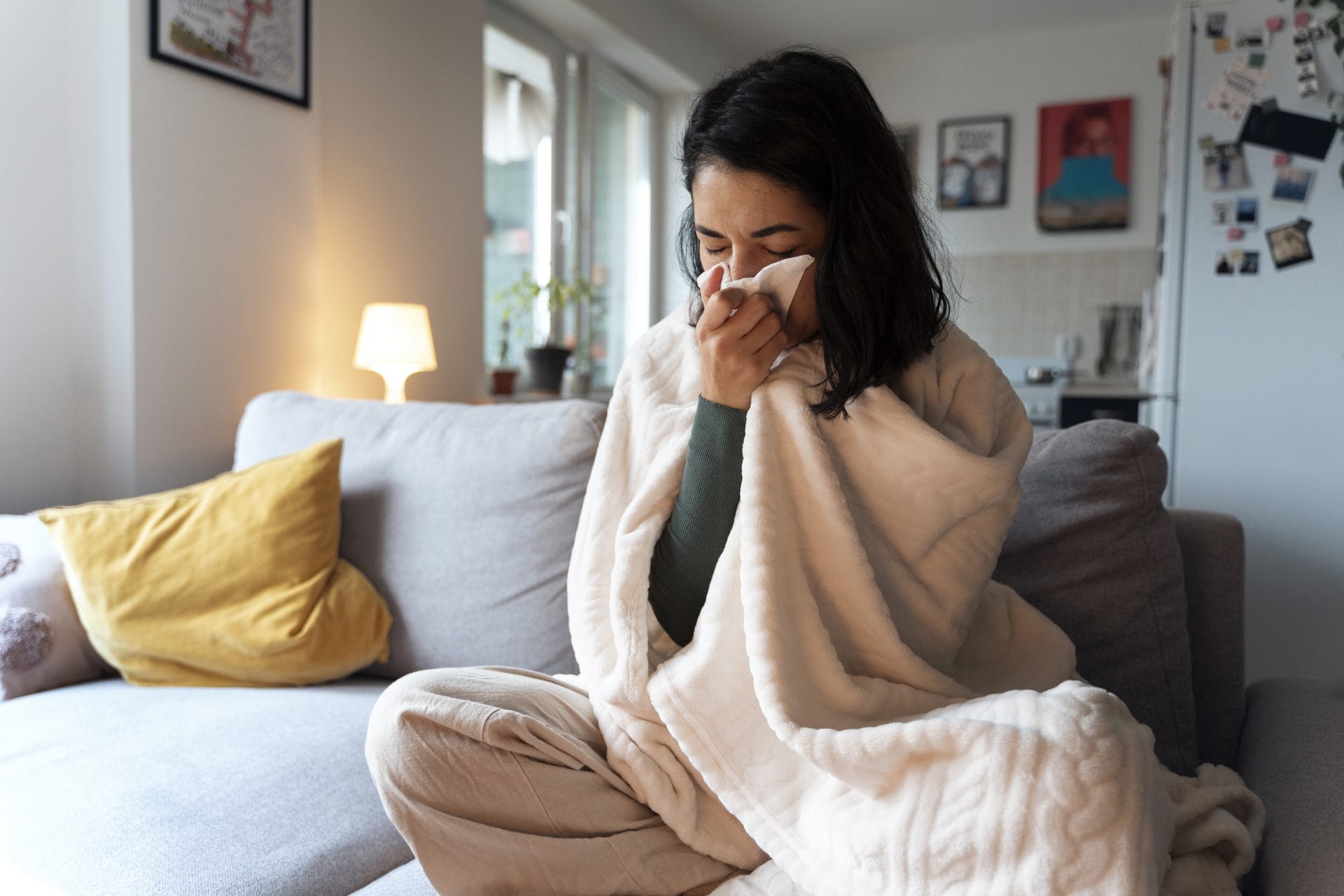
Common Illnesses That Trigger Hair Fall
- High fever due to viral infections (e.g., COVID-19, dengue, chikungunya)
- Typhoid and malaria
- Surgery or hospitalisation
- Acute emotional or physical stress
- Hormonal imbalances post-illness
Many Indians observed this pattern especially during and after the COVID-19 pandemic—an alarming rate of hair fall around 2-3 months after recovery, even among those who didn’t suffer from severe symptoms.
How to Identify Illness-Related Hair Loss
Post-illness hair loss typically shows up as diffuse thinning—you won’t see bald patches but will notice an overall decrease in hair density, especially while combing, shampooing, or running your fingers through your hair.
Key signs:
- Sudden increase in hair shedding
- Thinning all over the scalp, not in specific patches
- Hair feels limp or lacks volume
- Shedding starts 2-3 months post-illness
Is This Hair Loss Permanent?
The good news? No, it’s not permanent.
As the body regains strength after an illness, hair typically begins to return on its own over time. However, full recovery can take anywhere between 3 to 6 months, and sometimes even up to a year. The key is to nourish your body and mind during this time so that your hair can return to its former state.
The Role of Stress in Post-Illness Hair Loss
While the physical illness is a direct contributor, mental stress is often a hidden culprit that worsens the situation. Illness brings not just physical discomfort but also anxiety, worry, and sometimes even depression—especially when recovery is slow or when you’re dealing with uncertainty.
In fact, emotional stress alone can trigger telogen effluvium. So if you’re recovering from an illness and simultaneously dealing with mental strain, the hair fall could be more severe.
Learn more about how STRESS IS A CAUSE OF HAIR FALL and what you can do to manage it better.

How to Manage Hair Loss After Illness
Now that you understand why it’s happening, let’s focus on how to tackle it.
1. Prioritize Nutrition
Illness often depletes your nutrient reserves, especially proteins, iron, zinc, and vitamins like B12 and D. Add the following to your post-recovery diet:
- Protein-rich foods: dal, paneer, tofu, eggs, chicken, soya.
- Iron-rich foods: spinach, jaggery, legumes, dry fruits
- Vitamin D: get sunlight or consult a doctor for supplements

A well-balanced Indian diet—with seasonal fruits, vegetables, whole grains, and sufficient hydration—goes a long way in supporting hair regrowth.
2. Be Gentle With Your Hair
Avoid chemical treatments, excessive heat styling, or tight hairstyles during this sensitive period.
- Use a mild herbal shampoo
- Avoid oiling if the scalp feels inflamed
- Gently towel-dry instead of rubbing harshly
- Use a wide-tooth comb to prevent tugging
3. Get Adequate Rest
Never underestimate the power of good sleep.Restful sleep gives your body the chance to recover and support the renewal of cells, including those responsible for hair growth. Try to get at least 7-8 hours of sleep every night, especially if you’ve just recovered from an illness.

4. Incorporate Regular Exercise
You might feel weak after illness, but light activity—once approved by your doctor—can work wonders. Exercise improves blood circulation to the scalp, supports hormonal balance, and reduces mental stress.
Walking, yoga, or even simple stretching for 20-30 minutes a day can speed up your recovery and hair regrowth.
Discover the complete role of exercise in hair health and how movement can help boost your hair journey.
5. Consult a Doctor if Needed
Consult a dermatologist or trichologist. Sometimes, underlying conditions like thyroid issues, PCOS, or iron deficiency can be masked under the “post-illness” excuse.
Prevention Tips for Future
- Manage your stress levels through mindfulness or therapy
- Exercise regularly
- Keep your scalp clean and healthy with natural, chemical-free products
Final Thoughts
Hair fall after illness is not just a cosmetic concern—it’s a signal from your body that it needs more support. The path to regrowth may test your patience, but it’s entirely achievable with the right care, nourishment, and mindset.
Remember, you are not alone. Thousands go through this phase, especially in our tropical and often humid Indian conditions that already challenge hair health. What matters most is how you respond—with care, calm, and consistency.
And if you’re feeling overwhelmed, don’t hesitate to reach out to a specialist. A little guidance can go a long way in reclaiming your confidence—and your hair.