Hair fall is no longer just a concern for the middle-aged. Today, even teenagers and people in their twenties are experiencing excessive hair loss, thinning, and premature greying. While most of us are quick to blame pollution, harsh water, or poor-quality hair products (which are certainly valid concerns), we often overlook one of the most effective natural remedies sitting right in front of us—exercise.
Yes, the same activity you may be doing for weight loss, better skin, or a stronger heart is also a hidden hero for your hair health. Whether it’s a brisk walk in the morning, a session of yoga, or dancing to your favorite playlist, physical activity can significantly improve the health of your scalp and strands.
Let’s explore how regular exercise impacts hair health, what types of movement are most beneficial, and how you can incorporate a hair-friendly fitness routine into your lifestyle.
1. Exercise Improves Blood Circulation to the Scalp
Think of your hair follicles as tiny living roots. Just like a plant thrives when it receives enough water and nutrients, your follicles flourish when they get a steady flow of oxygen and vital nutrients—something your bloodstream provides. Physical activity increases your heart rate, which boosts overall blood circulation, including to your scalp. This improved circulation helps deliver essential nutrients to your hair roots, keeping them active, healthy, and well-nourished. When your follicles are well-fed and oxygenated, they’re more likely to stay in the active growth phase, reducing hair fall. Even gentle exercises like walking, yoga, or basic stretching can make a noticeable difference in scalp circulation, gradually leading to thicker, healthier-looking hair.

2. Beating Stress to Beat Hair Fall
Stress is often overlooked as a trigger for hair fall, yet it’s one of the leading culprits behind unexpected shedding. Whether it’s the pressure of daily responsibilities, emotional strain, or excessive screen time, prolonged stress causes your body to produce more cortisol—a hormone that can disrupt your hair’s natural growth rhythm. When cortisol levels stay high for too long, more hair follicles shift into the resting or shedding phase, resulting in noticeable hair loss.
Incorporating regular physical activity into your routine is a powerful way to keep stress in check. Exercise stimulates the release of feel-good hormones called endorphins, which naturally improve your mood and reduce tension. Whether you’re unwinding with gentle stretches or pushing through an intense cardio session, moving your body helps you mentally decompress and protect your strands from stress-related damage.
If you’re seeing more hair than usual on your comb or pillow and you’re also feeling mentally drained, your body might be signaling the need for some movement. And if you live in areas where pollution or erratic weather conditions add to your stress levels, don’t miss our post on Environment Impacts Hair Health, which offers helpful ways to manage external factors affecting your hair.
3. Letting Your Scalp Breathe: How Sweat Supports Hair Health
While sweat often gets a bad rap, especially when it comes to hair, it actually plays a positive role in maintaining scalp health—when handled properly. During exercise, your body cools itself down by releasing sweat, which also helps flush out impurities through your skin, including your scalp. This natural detox process can help clear out pore-blocking buildup that might otherwise interfere with healthy hair growth.
But there’s a catch—if sweat is left sitting on the scalp for too long, it can mix with oils, dirt, and dead skin, creating a breeding ground for bacteria. This can lead to itchiness, flaking, or even clogged hair follicles. To avoid these issues, it’s important to rinse or gently wash your hair after heavy workouts using a mild, scalp-friendly shampoo. That way, you get all the detox benefits of sweating without the unwanted side effects.
4. Balancing Hormones with Movement
Hormonal imbalances are a major cause of hair loss—especially in women dealing with conditions like PCOS, thyroid dysfunction, or postpartum changes. In men, excess DHT (a byproduct of testosterone) can cause the follicles to shrink, leading to thinning or baldness.
Exercise helps regulate these hormones. Cardio and strength training are known to improve insulin sensitivity, reduce androgens, and balance thyroid function—all of which can have a direct impact on your hair health.
Women, in particular, may notice a significant improvement in their hair texture and density once they adopt a regular fitness routine. For more gender-specific hair routines, check out our blog on Best Hair Care Tips for Women.
And if you’re a guy who’s been skipping workouts and noticing a receding hairline or dullness, it’s time to reboot your routine. Our post on Best Hair Care Tips for Men has you covered with easy-to-follow advice.
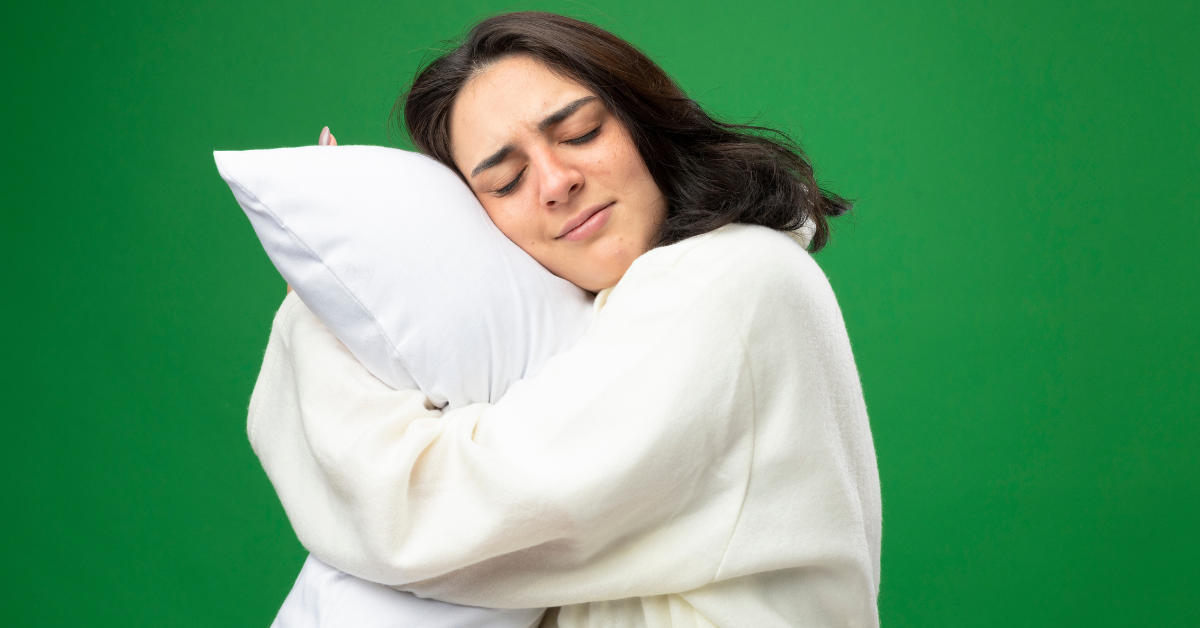
5. Exercise Enhances Sleep Quality, and That Boosts Hair Growth
Your hair, just like your skin and muscles, undergoes repair and regeneration when you sleep. Poor sleep habits can disrupt your natural circadian rhythm and affect the production of melatonin and growth hormones, both essential for healthy hair.
Exercise can be a natural cure for insomnia and poor sleep. Physical activity tires your body in a healthy way and regulates sleep patterns, helping you fall asleep faster and enjoy deeper sleep.
Better sleep = better cellular repair = better hair.
6. Improved Nutrient Absorption Through a Healthy Gut
You might be eating all the right things—almonds, curry leaves, eggs, spinach—but is your body really absorbing those nutrients?
Exercise boosts digestion and metabolism, ensuring that the nutrients from your diet are absorbed efficiently and reach your scalp. It also supports a healthy gut microbiome, which has a huge impact on skin and hair.
If you’ve been investing in hair supplements or following traditional remedies but still see no results, pair your efforts with physical activity. Think of exercise as the bridge between nutrition and hair health.
7. Scalp Health and Sebum Balance
Too much sebum (natural scalp oil) can lead to greasy hair and clogged pores, while too little can cause dryness and breakage. Exercise helps regulate sebum production, creating the right balance for a healthy scalp.
Also, regular movement reduces inflammation in the body. A less inflamed scalp means fewer chances of dandruff, itchiness, or folliculitis, all of which can contribute to hair fall.
8. Exercises That Are Great for Hair Health
You don’t need to do heavy gym workouts to enjoy the benefits. Here are some movement forms that particularly support scalp health and hormonal balance:
- Yoga (especially head-down poses like downward dog or shoulder stand)
- Brisk walking or jogging
- Swimming
- Dance
- Strength training
- Cycling
Final Takeaway: Your Hair Loves When You Move
Hair care isn’t just about what you apply on the outside. It’s equally about what you do from within. Exercise brings a holistic transformation—balancing hormones, improving blood flow, enhancing nutrient absorption, reducing stress, and regulating sleep. All these factors combine to create an environment where your hair can grow stronger, healthier, and more resilient.
So, the next time you’re feeling lazy to lace up your shoes or unroll your yoga mat, remember: you’re not just working on your body or mind—you’re doing a favor for every strand on your head.