Metabolism is important for keeping your overall body healthy, and that includes the health of your hair. Lots of people suffer from hair fall and slow-growing hair without knowing that their metabolism might be an underlying reason. But what is metabolism, and how does it influence your hair? Let’s simplify it for you.
What Is Metabolism?
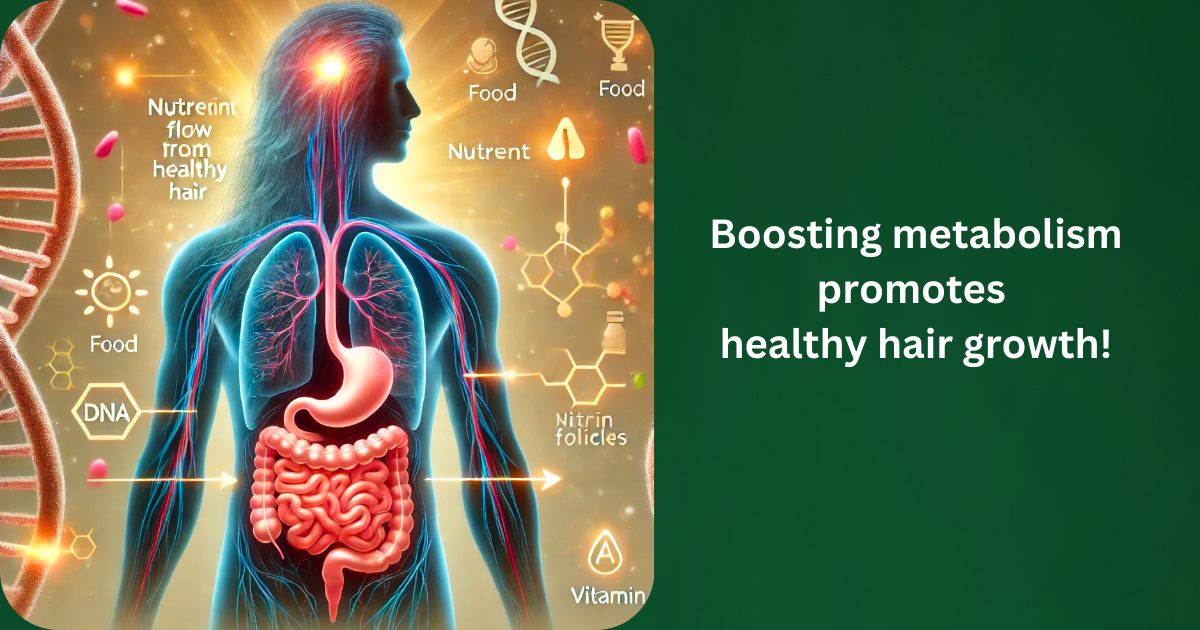
Metabolism is how your body breaks down food to produce energy. It assists in repairing tissues, maintaining body functions, and supplying the nutrients your hair requires to grow healthy and strong. When your metabolism is good, your hair follicles get the proper amount of nutrients, which stimulates hair growth and minimizes hair fall.
How Metabolism Impacts Hair Health
Nutrient Absorption
Proper metabolism guarantees your body gets crucial vitamins and minerals like biotin, iron, zinc, and vitamin D that are required for hair development.
Slow metabolism can cause shortages, making the hair follicles weak and bringing about hair loss.
Oxygenation of Hair Follicles
Metabolism aids the circulation of blood, which is responsible for circulating oxygen and nutrients to the root of the hair.
Inefficient circulation can leave hair follicles starving, creating thin and breakage-prone hair.
Hormonal Balance
Your metabolism has a direct relationship with the production of hormones.
Disturbances in thyroid hormones, insulin, and cortisol cause intense hair loss and retard hair growth.

Cell Regeneration
Hair growth relies on the repair and regeneration capabilities of the body. Slow metabolism would result in delayed cell repair, which makes hair thinner and shed more.
Hair consists of keratin, which is a protein.
A slow metabolism can impact protein synthesis, leading to thinner hair strands and more breakage. Major Reasons That Affect Hair Growth and Hair Fall.
Major Reasons That Affect Hair Growth and Hair Fall Diet and Nutrition
Consuming fresh, homemade foods with sufficient proteins, vitamins, and healthy fats makes hair grow strong and prevents hair fall. Read more about the best foods for healthy hair growth.
Deficiency of iron, vitamin B12, or omega-3 fatty acids can weaken the roots of the hair, so the strands will fall off very easily.

Thyroid Disbalance
A disbalanced thyroid gland that is too slow (hypothyroidism) or too fast (hyperthyroidism) interferes with the body’s metabolism and will often initiate very harsh hair fall.
Sudden thinning or a sudden great shedding of your hair calls for getting a check-up on the thyroid.
Stress and Sleep
Chronic stress increases cortisol, which slows hair growth and causes more hair to fall out.
Poor sleep disrupts hormone balance and makes hair follicles weak. Good sleep is necessary for a healthy scalp and healthy hair.

Water and Hydration
Insufficient water intake reduces metabolism and makes it difficult for the body to absorb nutrients, resulting in weak, dry hair.
Drinking a minimum of 8-10 glasses of water every day keeps hair healthy, minimizing breakage and hair fall.
Physical Exercise and Movement
Regular exercise enhances blood flow, providing oxygen and nutrients to hair follicles, enhancing hair growth.
A lifestyle with no physical exercise slows down the metabolism and the roots become weaker, resulting in more hair fall. Even the simplest activities like walking or doing yoga ensure healthy hair.
By living a healthy lifestyle through a balanced diet, drinking plenty of water, and managing stress, you can minimize hair fall and achieve strong and healthy growth of the hair.
Signs That Your Metabolism is Impacting Hair Growth and Resulting in Hair Fall
Your metabolism has a significant impact on hair health. When it decelerates, it can affect hair growth and result in excessive hair fall. Be on the lookout for these signs:
Excessive Hair Fall or Slow Hair Growth
If you find more hair on your pillow, comb, or drain, your metabolism may not be efficient. Slow metabolism reduces the flow of nutrients to hair follicles, making roots weak and causing hair loss. Slow metabolism also slows down new hair growth, making hair thin and dull.
Dry, weak, or Thinning Hair
Poor metabolism impairs the body’s efficiency in absorbing critical nutrients such as protein, iron, and vitamins, causing the hair to dry out and be brittle. It leads to hair thinning when there is inadequate nourishment, and it boosts hair loss. Proper hydration and a balanced diet are essential to have healthy, strong hair.
Constant Fatigue and Low Energy
If you find that you are tired or have no energy during the day, it may be an indicator that your metabolism is not working as it should. When the body is drained, it cannot repair and regenerate hair cells efficiently, causing slow hair growth and heavy hair loss.
Cold Hands and Feet (Poor Blood Circulation)
Good blood circulation is essential to carry oxygen and nutrients to the scalp. If your hands and feet often feel cold, it could indicate poor circulation, affecting hair follicles and slowing down hair growth. Scalp massages and physical activity can help boost blood flow.
Digestive Issues or Unexplained Weight Changes
Sudden loss or gain in weight, bloating, or digestive issues might be symptoms of an unbalanced metabolism. In case of poor digestion, the body is not able to uptake the required vitamins and minerals required for hair growth, resulting in excessive hair shedding and weak hair roots.
If you notice any of these symptoms, a careful diet, plenty of water intake, stress relief, and regular exercise can normalize healthy metabolism, slow down hair loss, and encourage healthier hair growth.
Final Thoughts: