The best scalp treatment begins with understanding that your scalp is not just skin — it’s a living ecosystem. It contains thousands of hair follicles, sebaceous glands, and microflora that together maintain your hair’s health. When this balance is disturbed by factors like pollution, hormonal changes, poor diet, or stress, the scalp reacts — leading to dandruff, excessive oil, hair thinning, or even scalp acne.
A healthy scalp directly influences the strength, density, and shine of your hair. So before targeting the hair shaft with serums or conditioners, it’s vital to nourish the foundation — your scalp.
Understanding Scalp Health
Your scalp functions like fertile soil for your hair. If the scalp is clean, hydrated, and well-nourished, the follicles thrive. However, when clogged with sebum, dead skin, or chemical residues, it can choke the roots and lead to hair loss.
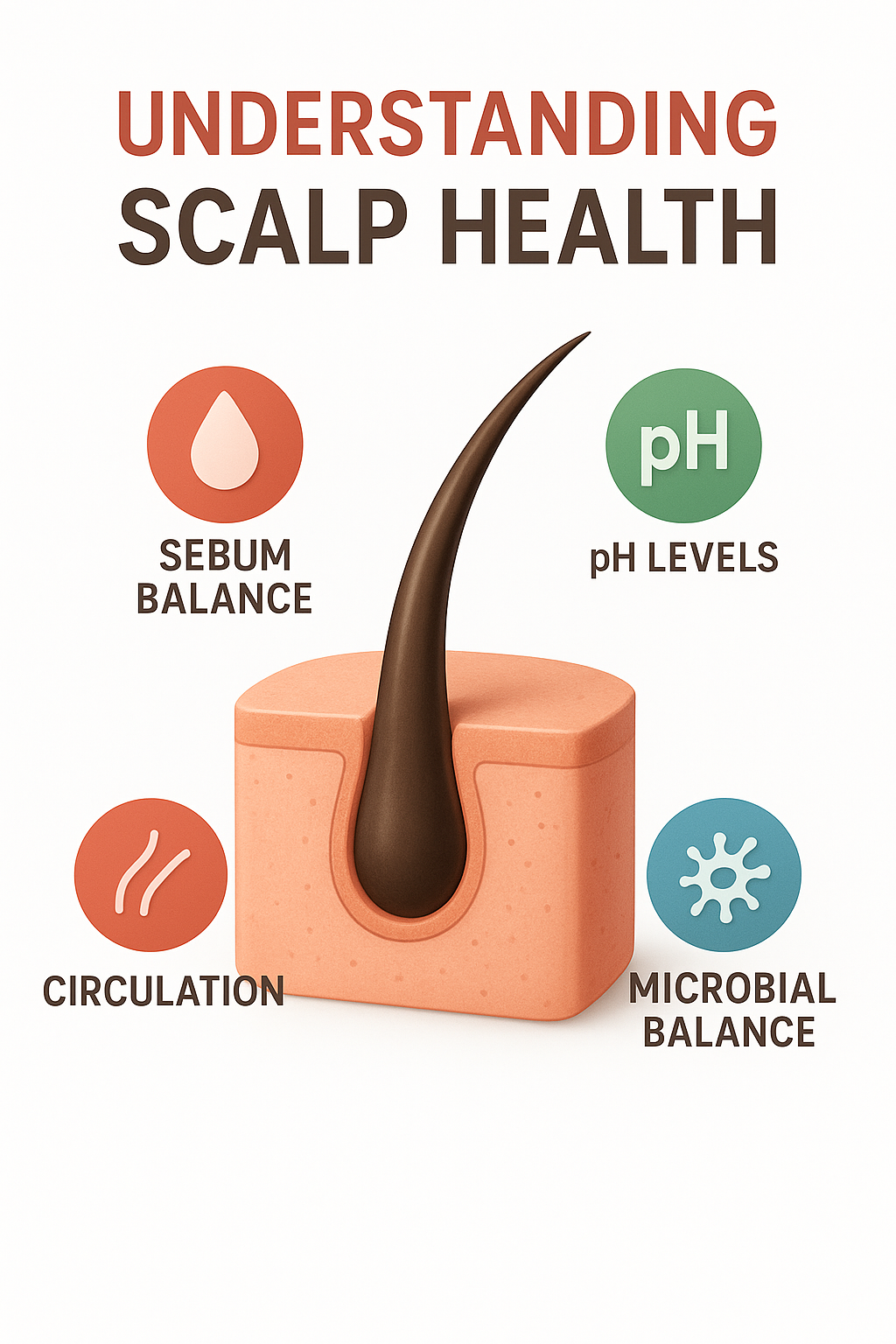
Here’s what determines scalp health:
-
Sebum Balance: Excess oil attracts dirt, while dryness causes flaking and irritation.
-
pH Levels: The scalp’s natural pH is slightly acidic (around 5.5). Disrupting it can cause itching and dandruff.
-
Circulation: Poor blood flow limits oxygen and nutrient delivery to follicles.
-
Microbial Balance: Overgrowth of fungi or bacteria can cause dandruff and inflammation.
Maintaining these factors ensures your scalp stays healthy, allowing your hair to grow stronger and thicker.
Common Scalp Problems and Their Causes
-
Dandruff and Flakiness – Usually caused by a yeast imbalance or product buildup.
-
Itchy or Sensitive Scalp – Triggered by allergies, stress, or harsh shampoos.
-
Oily Scalp – Overactive sebaceous glands due to hormones or genetics.
-
Dry Scalp – Lack of moisture, dehydration, or frequent washing.
-
Hair Thinning and Weak Roots – Caused by poor circulation, nutritional deficiencies, or scalp inflammation.
Identifying your specific scalp concern is the first step toward finding the best scalp treatment suited for your condition.
Components of the Best Scalp Treatment
A truly effective scalp treatment addresses both internal and external factors. It should aim to cleanse, exfoliate, hydrate, and nourish the scalp while improving blood circulation.
1. Gentle Cleansing
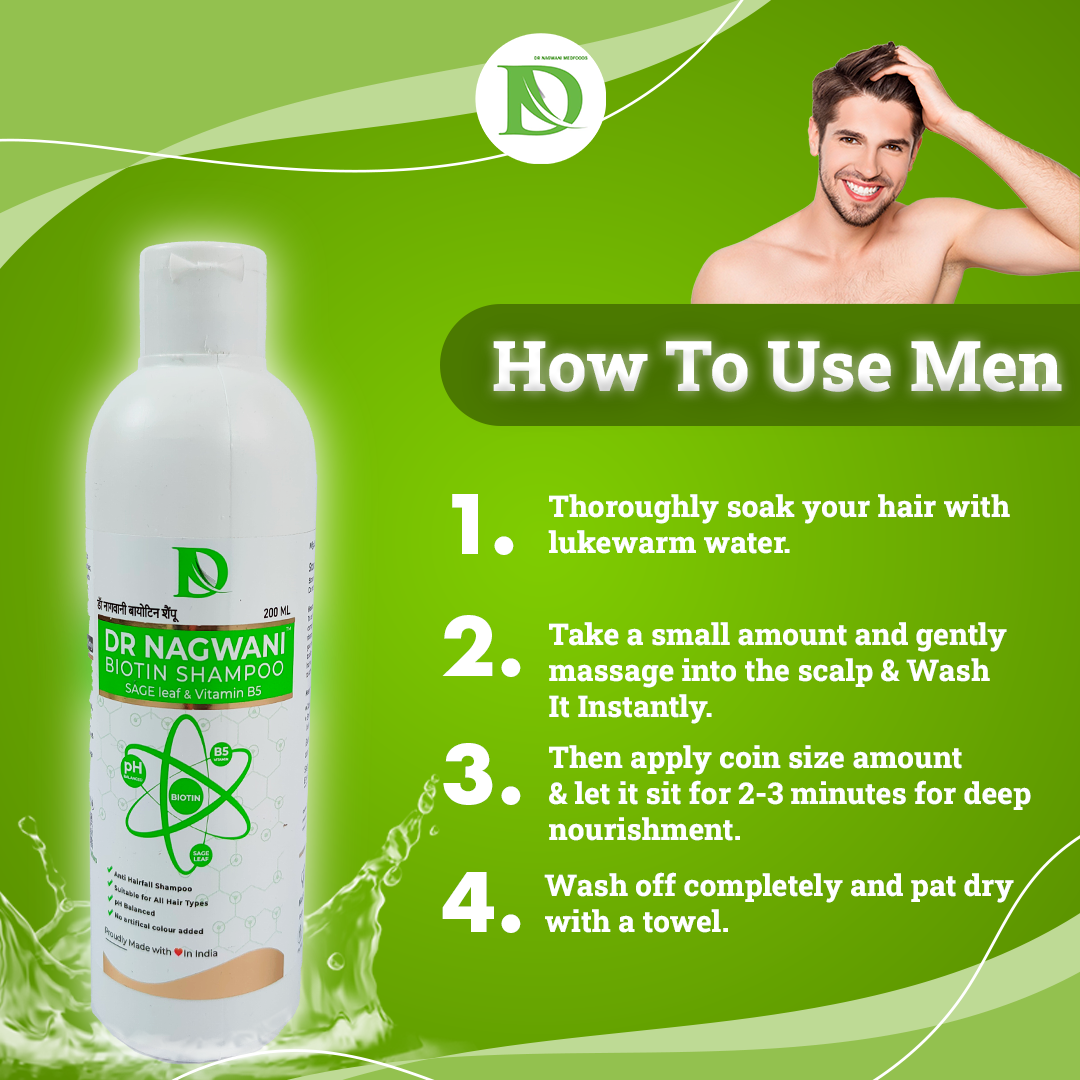
A good sulfate shampoo helps remove dirt, excess oil, and dead skin without stripping natural moisture. Washing 2–3 times a week is ideal for maintaining scalp cleanliness and balance.

2. Exfoliation
Just like your skin, your scalp needs exfoliation. Using natural exfoliants once a week — such as sugar, coffee, or sea salt scrubs — removes buildup and unclogs follicles, allowing for better nutrient absorption.
3. Hydration and Moisture
Dryness often leads to itchiness and dandruff. Ingredients like aloe vera, hyaluronic acid, or coconut oil can help retain moisture and soothe the scalp barrier.
4. Improving Circulation
Massage your scalp for at least five minutes daily using gentle circular motions. This stimulates blood flow, delivering oxygen and nutrients to the hair roots. It’s one of the simplest and most effective parts of any best scalp treatment routine.
5. Balancing the Microbiome
Using natural antimicrobial ingredients such as tea tree oil, rosemary, or neem helps control dandruff-causing microbes without harming beneficial bacteria.
The Role of Diet and Lifestyle
Healthy hair begins from within. Your scalp needs nutrients just as much as your body does. For the best scalp treatment, complement topical care with the right nutrition:

-
Protein: Builds keratin, the key structural component of hair.
-
Iron and Zinc: Support hair follicle strength and oxygen supply.
-
Omega-3 Fatty Acids: Maintain hydration and reduce inflammation.
-
Vitamins A, C, D, and E: Protect against oxidative stress and promote repair.
-
Hydration: Drinking enough water keeps the scalp supple and prevents dryness.
Lifestyle choices also influence scalp health. Managing stress, sleeping adequately, and limiting heat styling or chemical treatments go a long way in maintaining natural balance.
DIY Natural Remedies for Scalp Care
Home-based remedies can often be part of the best scalp treatment when used consistently:
-
Aloe Vera Gel: Soothes irritation and hydrates the scalp.
-
Apple Cider Vinegar Rinse: Balances pH and removes buildup.
-
Coconut or Castor Oil: Moisturizes and promotes healthy follicles.
-
Fenugreek Paste: Reduces dandruff and improves scalp circulation.
-
Green Tea Rinse: Rich in antioxidants that fight inflammation.
Always patch test before applying natural remedies to ensure your scalp doesn’t react negatively.
When to Seek Professional Help
If your scalp issues persist despite following a healthy routine, it may indicate an underlying problem such as psoriasis, seborrheic dermatitis, or hormonal imbalance. Consulting a trichologist or dermatologist can help diagnose and tailor the best scalp treatment for your specific condition.
Final Thoughts
The best scalp treatment is not a single product or quick fix — it’s a holistic approach that combines proper cleansing, nourishment, lifestyle, and care. A balanced scalp means stronger roots, reduced hair fall, and visibly healthier hair over time.
At Dr. Nagwani MedFoods Pvt Ltd, our mission is to help people understand the science behind scalp and hair health. When you care for your scalp, you’re nurturing the very foundation of your hair’s strength and vitality — one strand at a time.
Frequently Asked Questions (FAQs)
1. What is the best treatment for your scalp?
The best scalp treatment depends on your individual needs. A balanced approach that includes gentle cleansing, exfoliation, hydration, and nourishment with natural oils or serums is ideal. Regular massages also improve blood circulation and support scalp health.
2. Which hair treatment is best for the scalp?
Treatments like scalp exfoliation, PRP (Platelet-Rich Plasma), or nourishing hair masks rich in vitamins and essential oils work best. Maintaining a healthy diet and managing stress can further enhance results.
3. What is the most appropriate scalp treatment?
The most appropriate scalp treatment is one that restores your scalp’s pH balance, removes buildup, and supports healthy follicle function. Using mild shampoos, avoiding harsh chemicals, and keeping the scalp moisturized are key steps.
4. মাথার ত্বকের জন্য সবচেয়ে ভালো চিকিৎসা কী?
মাথার ত্বকের যত্নের জন্য সবচেয়ে ভালো চিকিৎসা হলো নিয়মিত স্ক্যাল্প পরিষ্কার রাখা, প্রাকৃতিক তেল দিয়ে মালিশ করা, ও পুষ্টিকর খাবার খাওয়া। এতে চুলের গোড়া মজবুত হয় এবং স্ক্যাল্প সুস্থ থাকে।
5. মাথার ত্বকের জন্য কোন হেয়ার ট্রিটমেন্ট ভালো?
যদি স্ক্যাল্পে খুশকি বা শুষ্কতা থাকে, তাহলে অ্যান্টি-ড্যানড্রাফ শ্যাম্পু ও হাইড্রেটিং হেয়ার মাস্ক ব্যবহার করা ভালো। আর চুল পড়া কমাতে চাইলে নিয়মিত স্ক্যাল্প ম্যাসাজ ও পুষ্টিকর খাবার সবচেয়ে কার্যকর।